



Evidence shows up to 85% of diabetes-related amputations are preventable with early, expert care.1 Know your risk, get screened, and act before amputation is ever on the table.
Most amputations are avoidable.
They are a decision.
We exist to make sure it is the right one, made with early testing, expert eyes, and every evidence-based option on the table first.
lower-limb amputations in the U.S. so far this year
Up to 85% of diabetes-related amputations can be prevented with early, evidence-based care.
Source: CDC, approximately 150,000 nontraumatic lower-extremity amputations a year. American Heart Association policy statement, Circulation, 2021. Prevention estimate: International Diabetes Federation and International Working Group on the Diabetic Foot, Diabetes and Foot Care: Time to Act, 2005.
Diabetes is the leading cause of nontraumatic lower-limb amputation. Where diabetes is most common, the risk of losing a limb is highest, and that is exactly where free screening and early care matter most.
Source: adult diagnosed diabetes prevalence by state, CDC Diabetes Data and Research. Diabetes is the leading cause of nontraumatic lower-extremity amputation. Map shading is illustrative; for the most current state-by-state figures, see the latest CDC diabetes statistics.
You do not have to wait for a diagnosis to act. Each of these is free, and each one is a step away from a preventable amputation.

Early detection is the single biggest factor in saving a limb. Locate a free community screening near you.
See screening events ›
You have the right to a full vascular evaluation and to explore all available perspectives before amputation. Get the questions to bring to your care team.
Get the patient checklist ›
Watch free, on-demand webinars from leading limb-preservation clinicians, no cost, no login required.
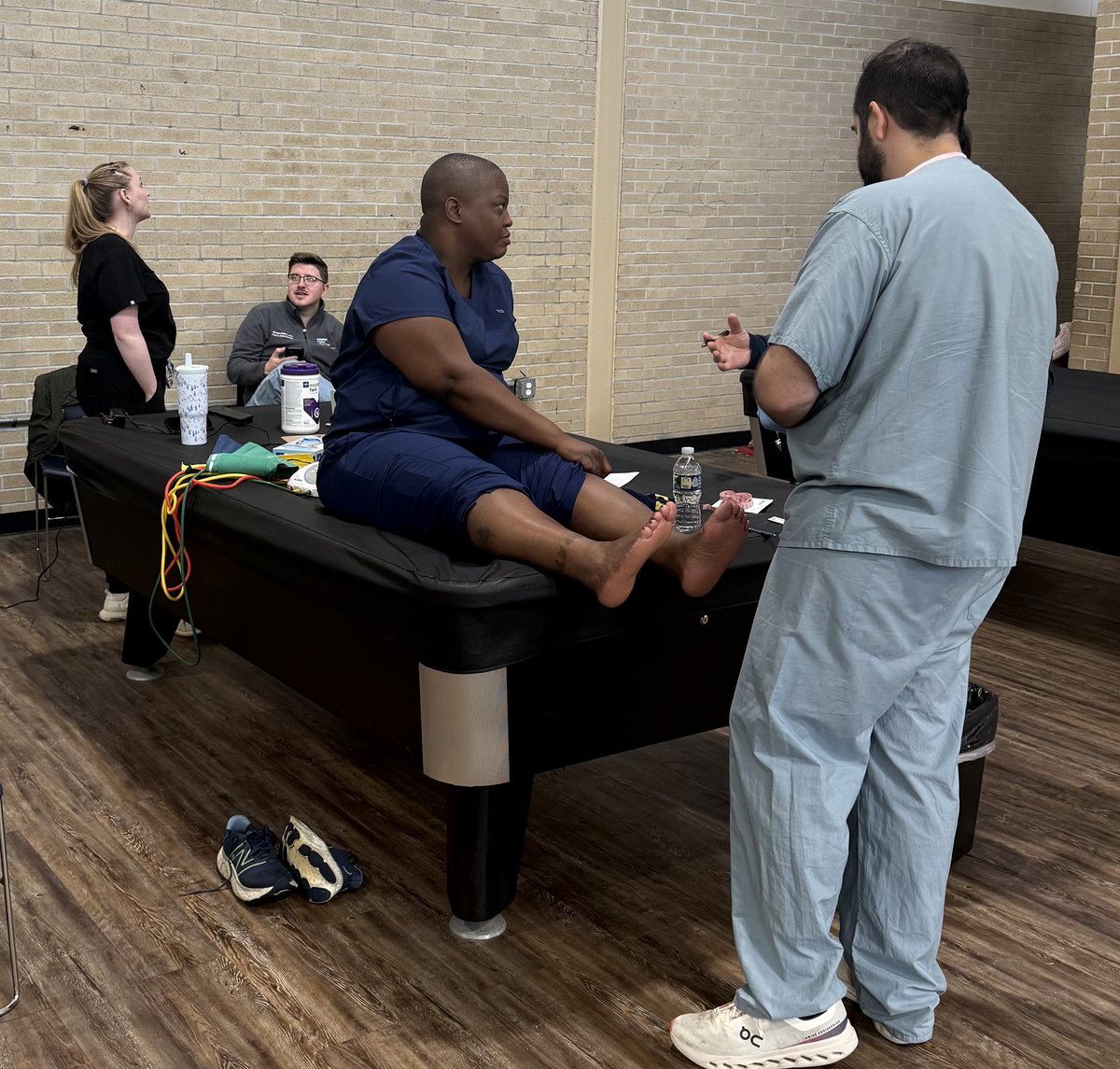
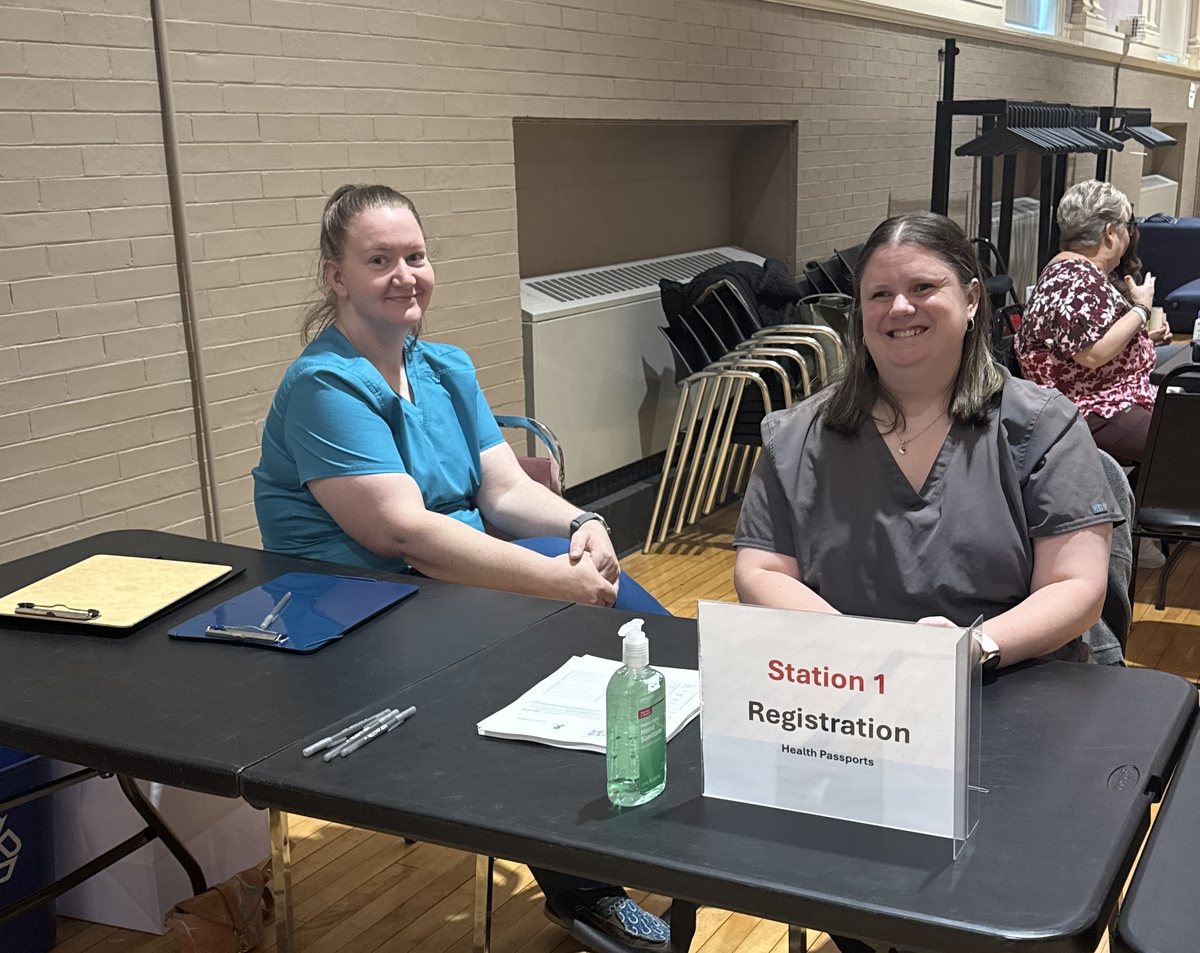
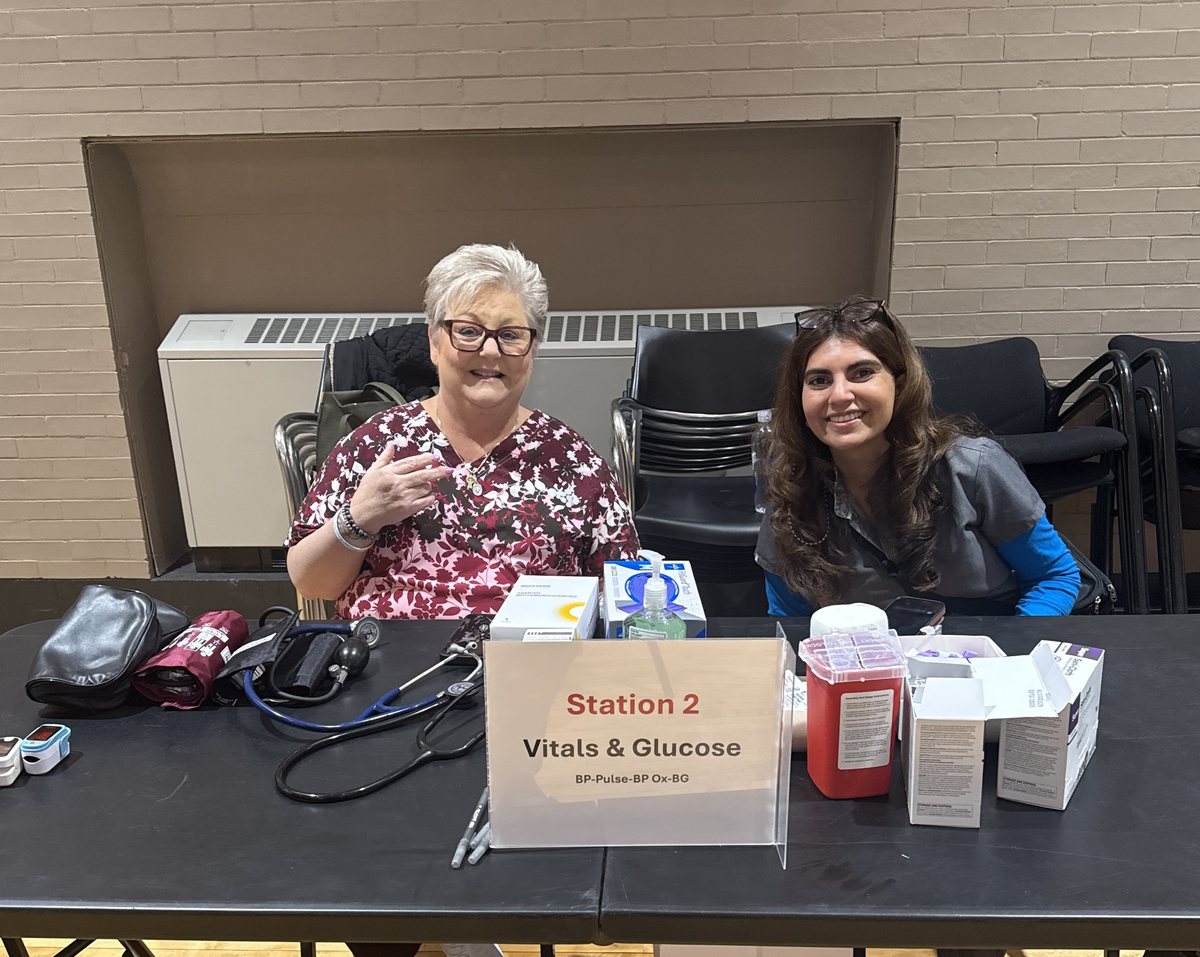
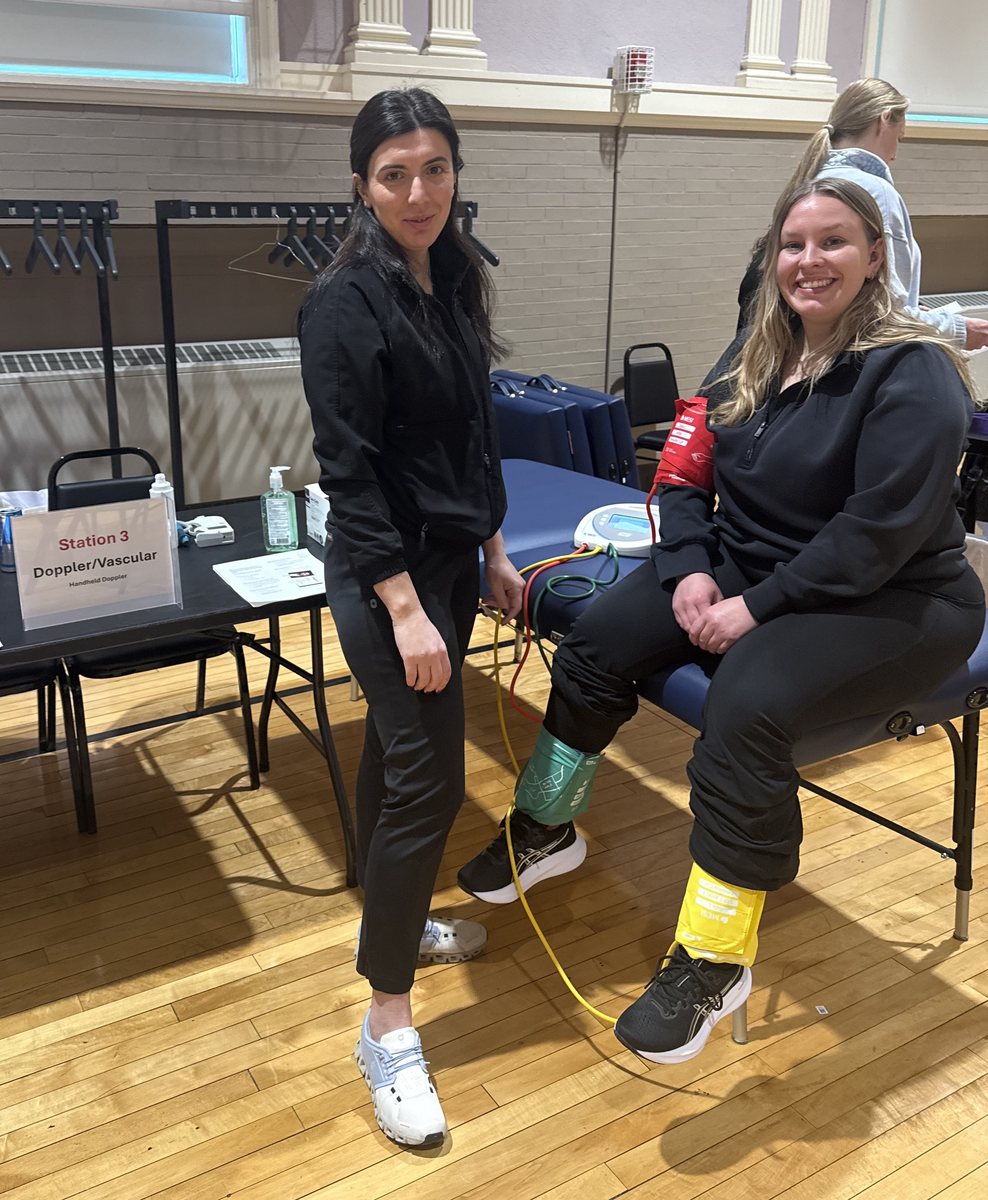
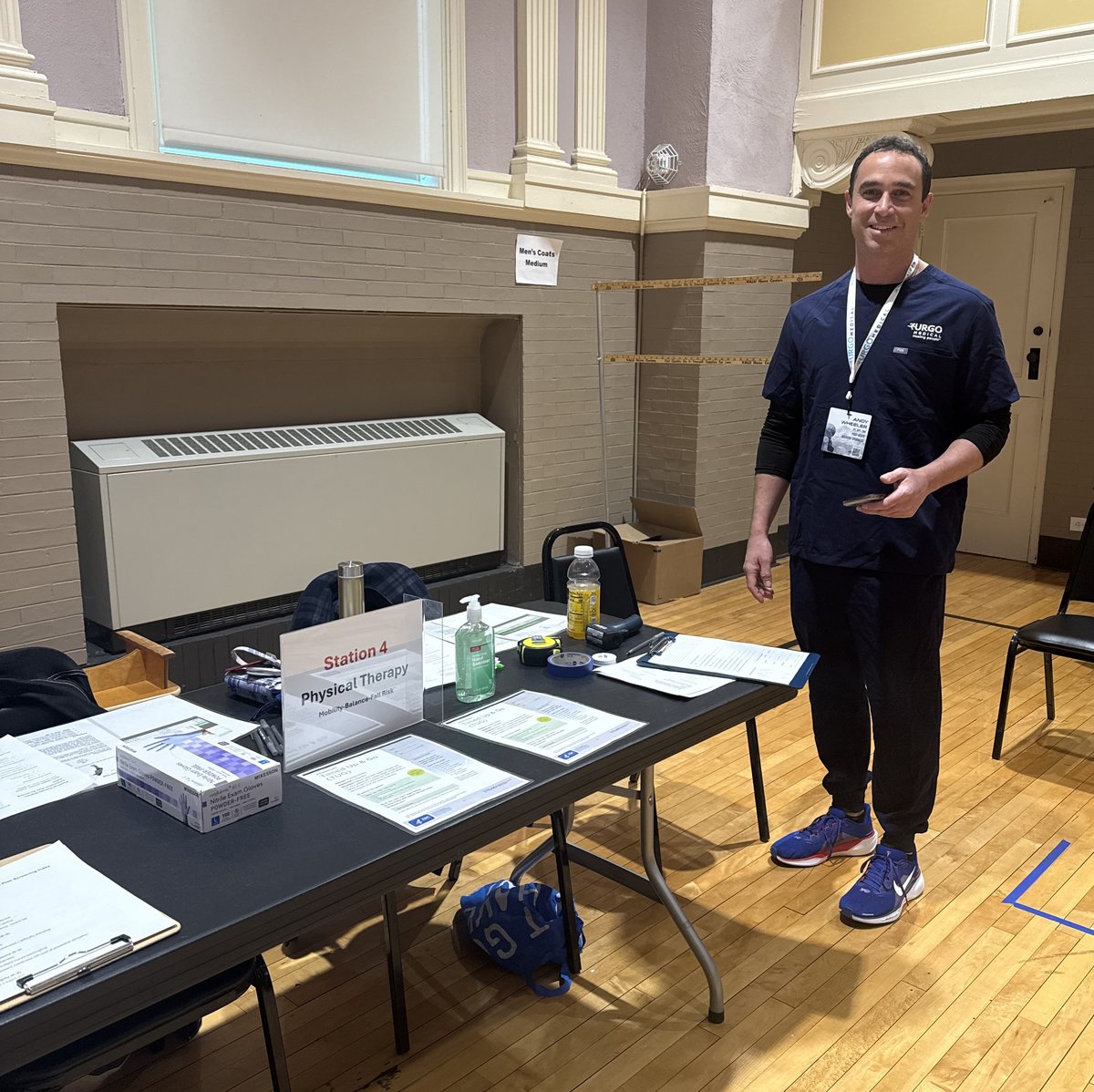
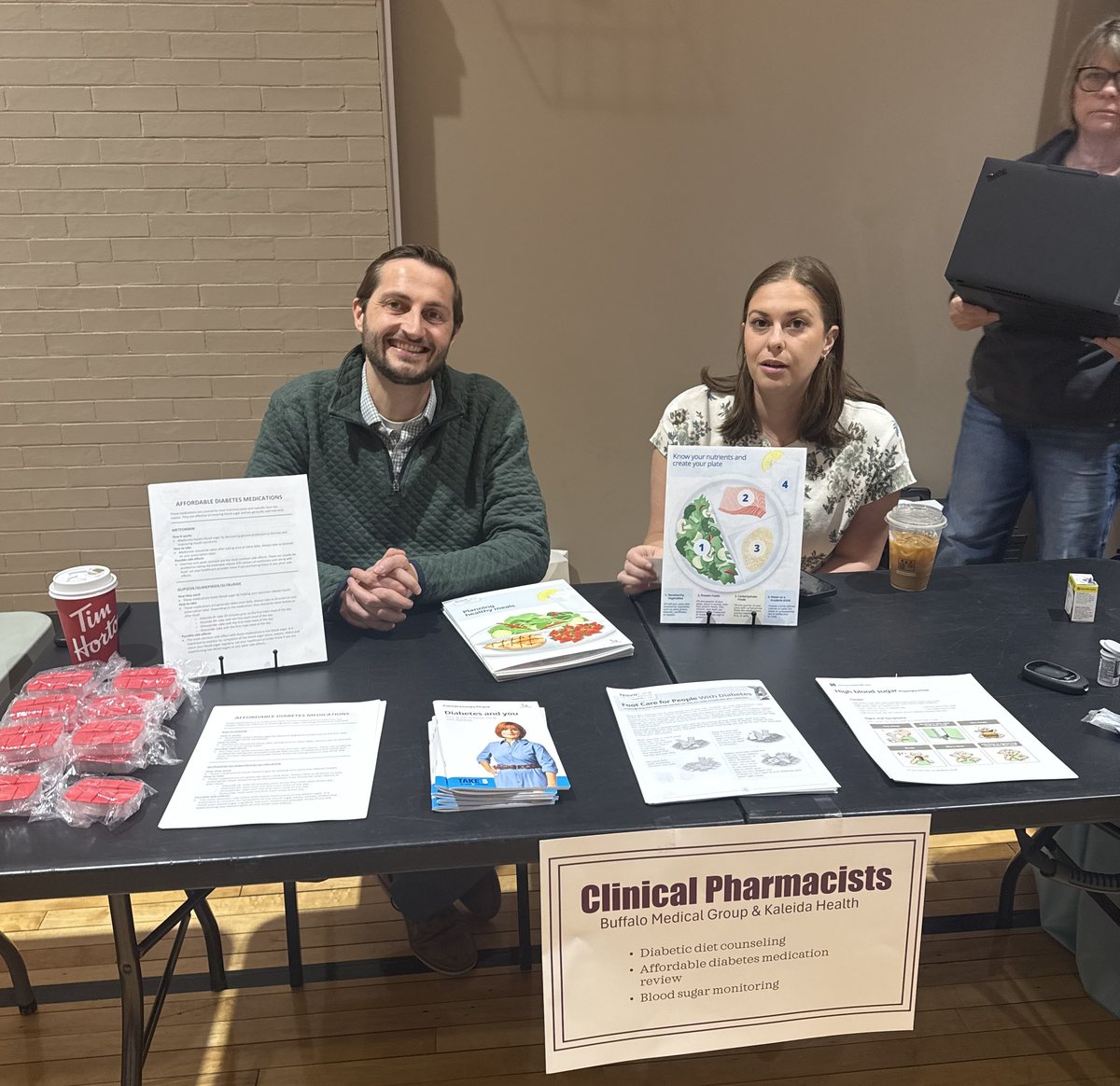
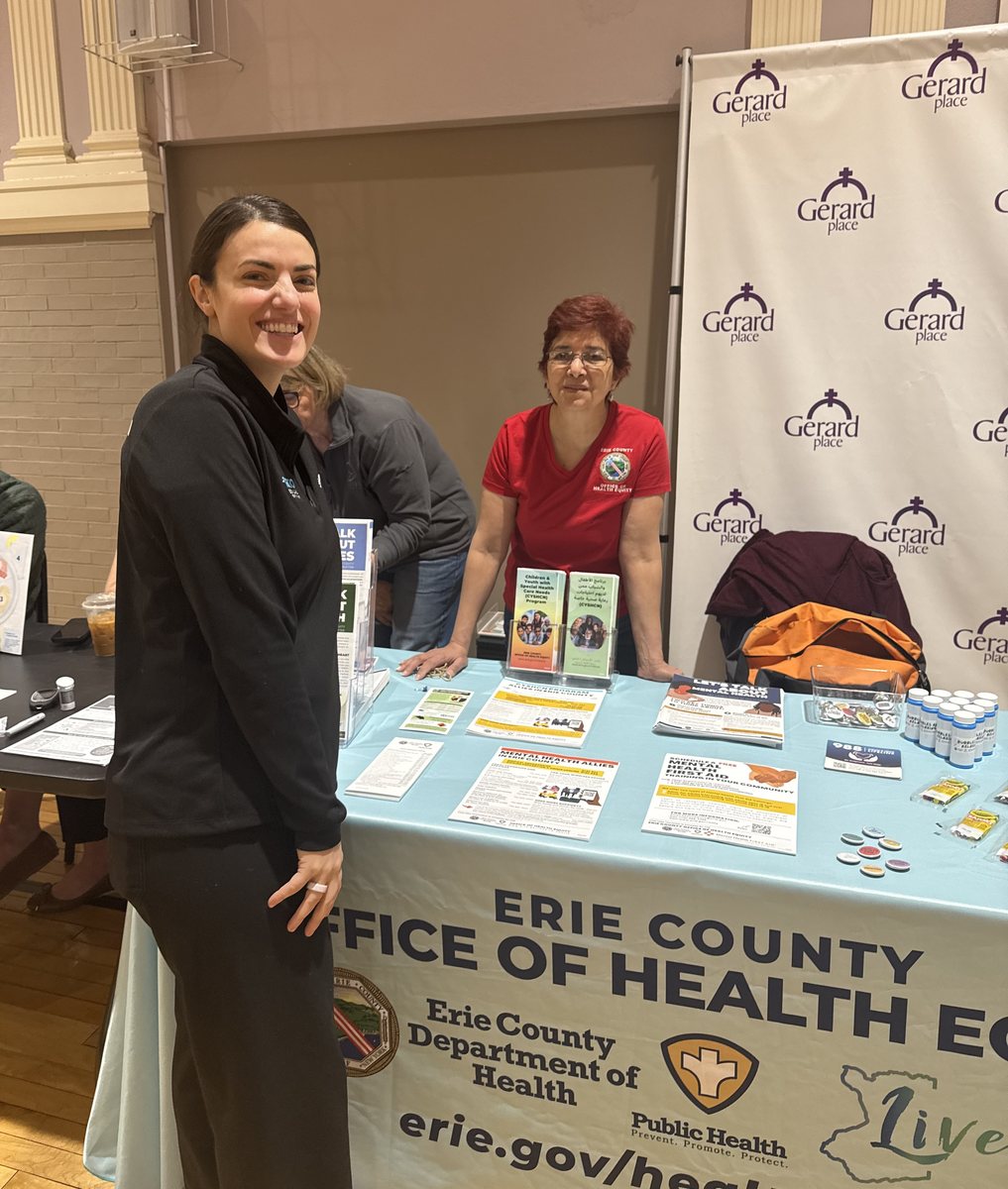
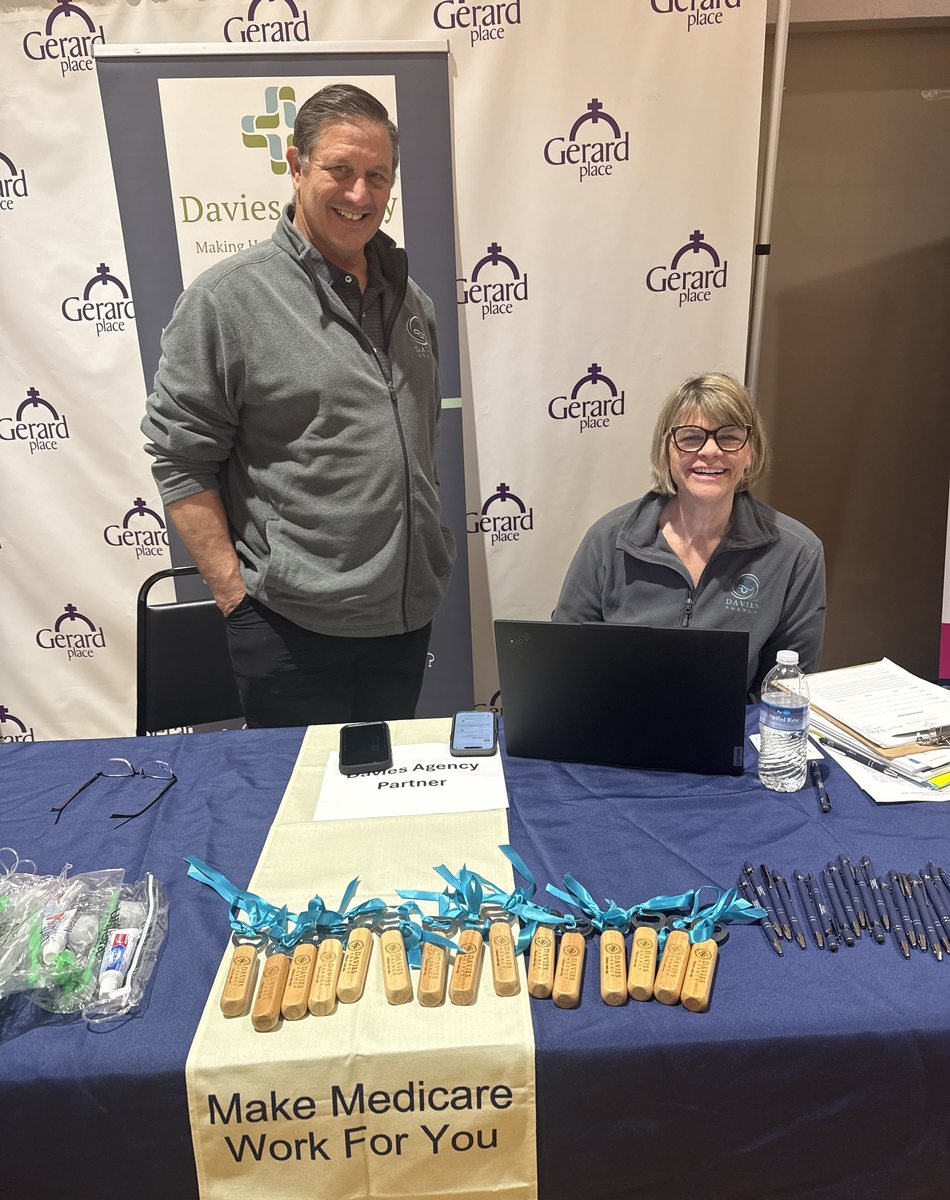
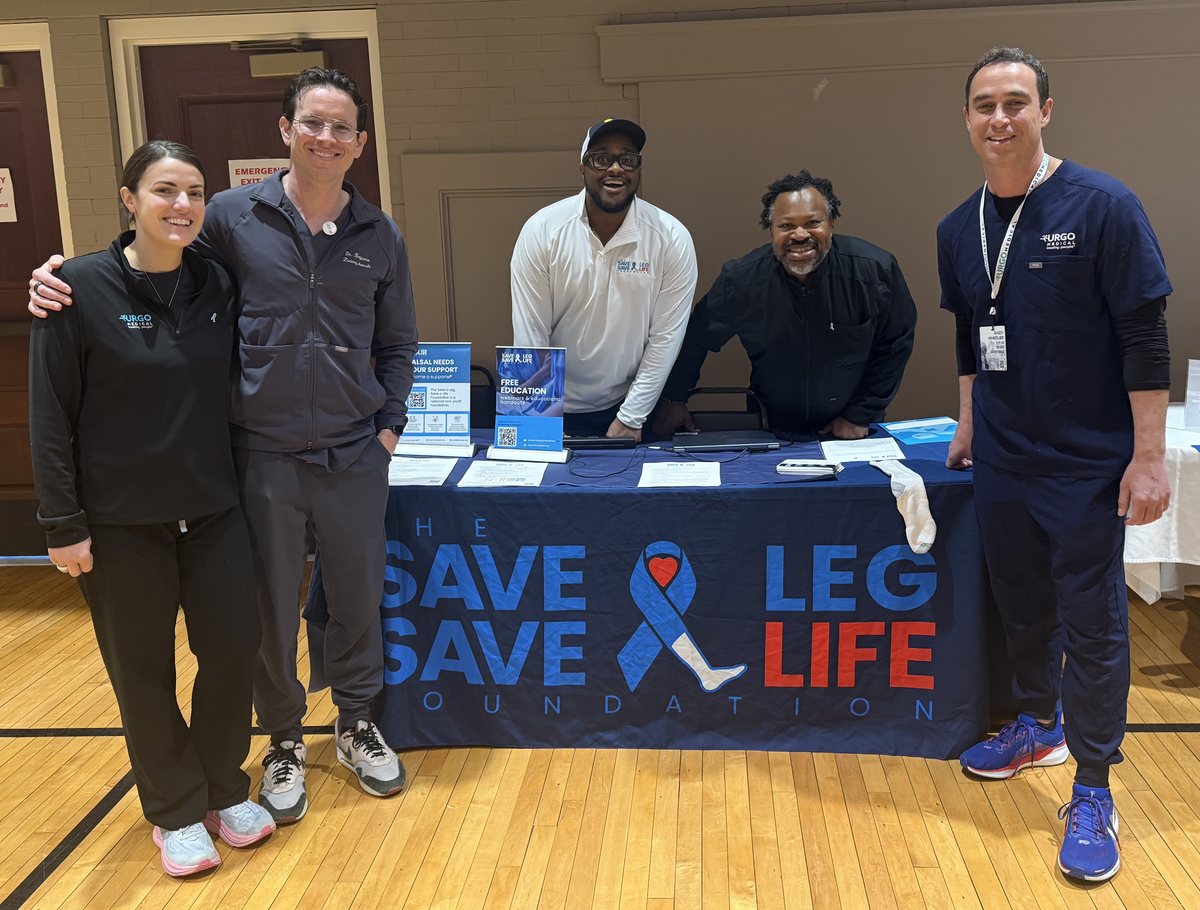
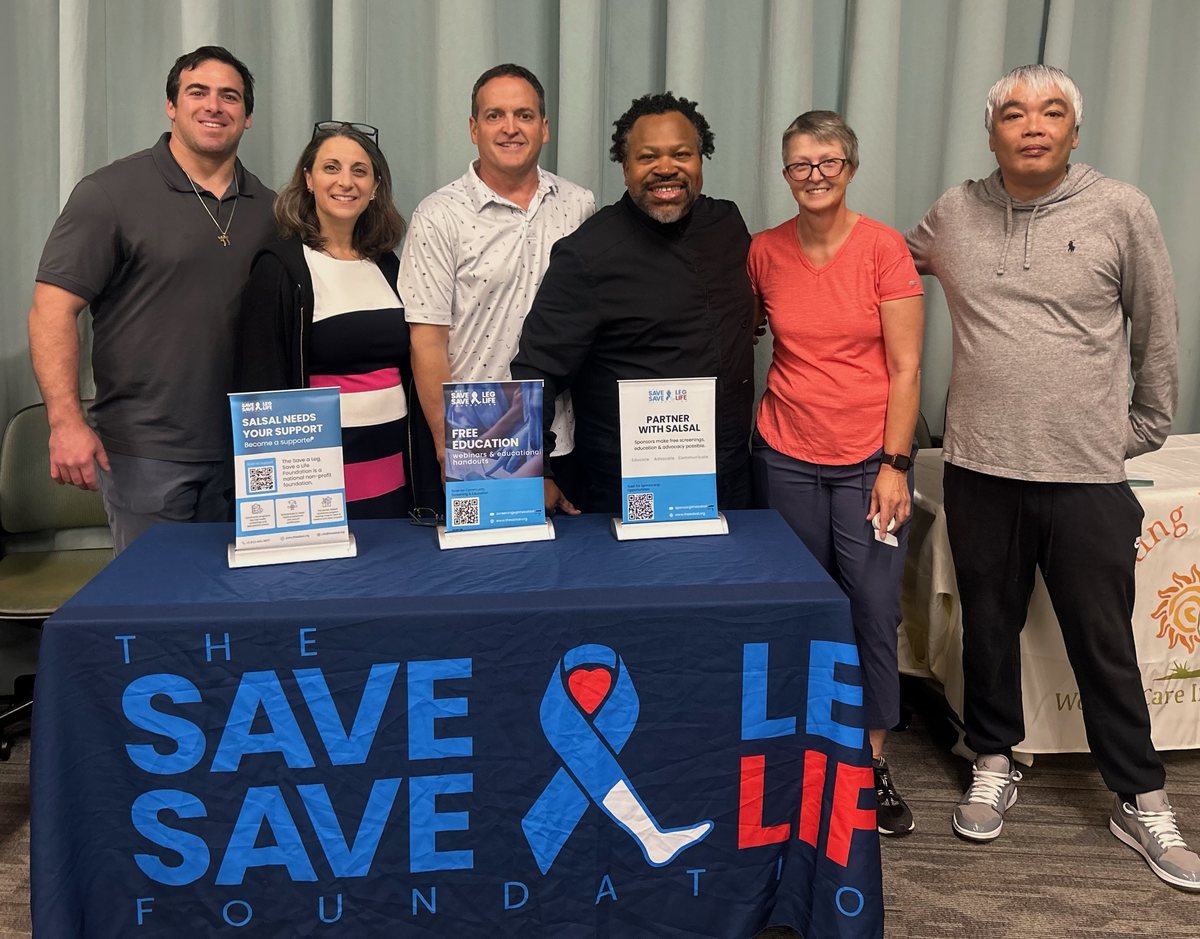
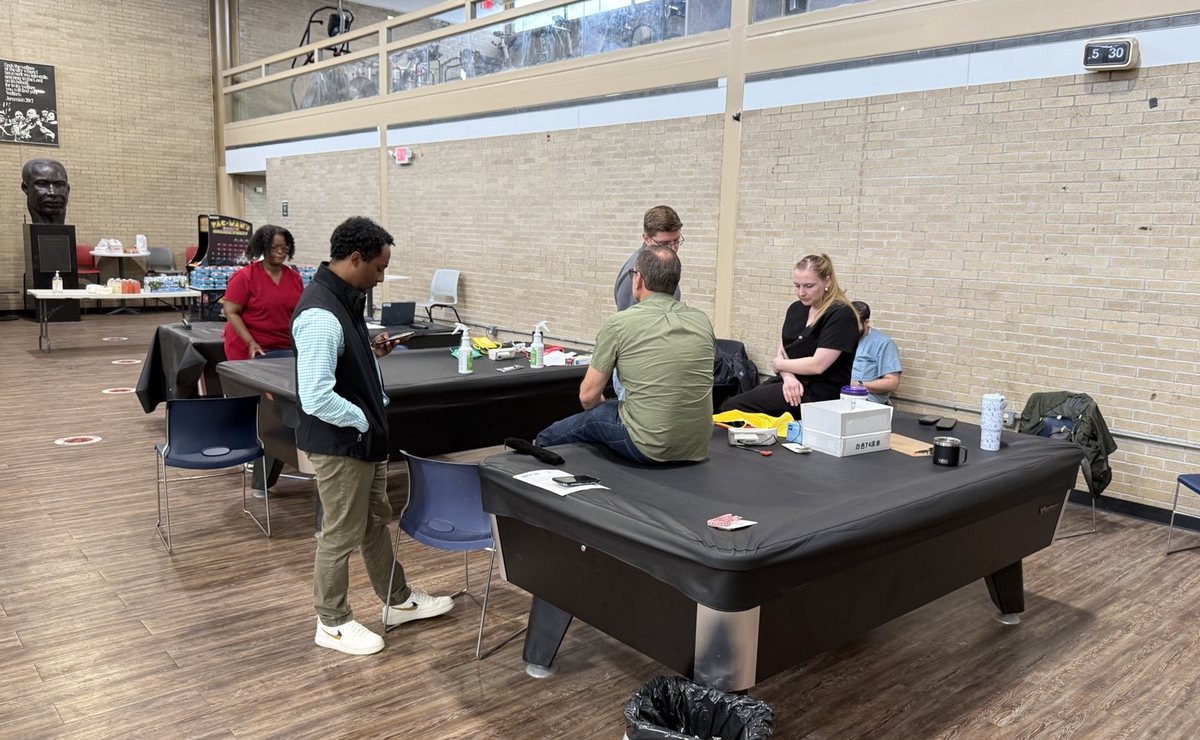
Browse the library ›Not a slogan, a folding table in a church hall. We bring free screenings to the neighborhoods where a caught-in-time problem means a limb saved.
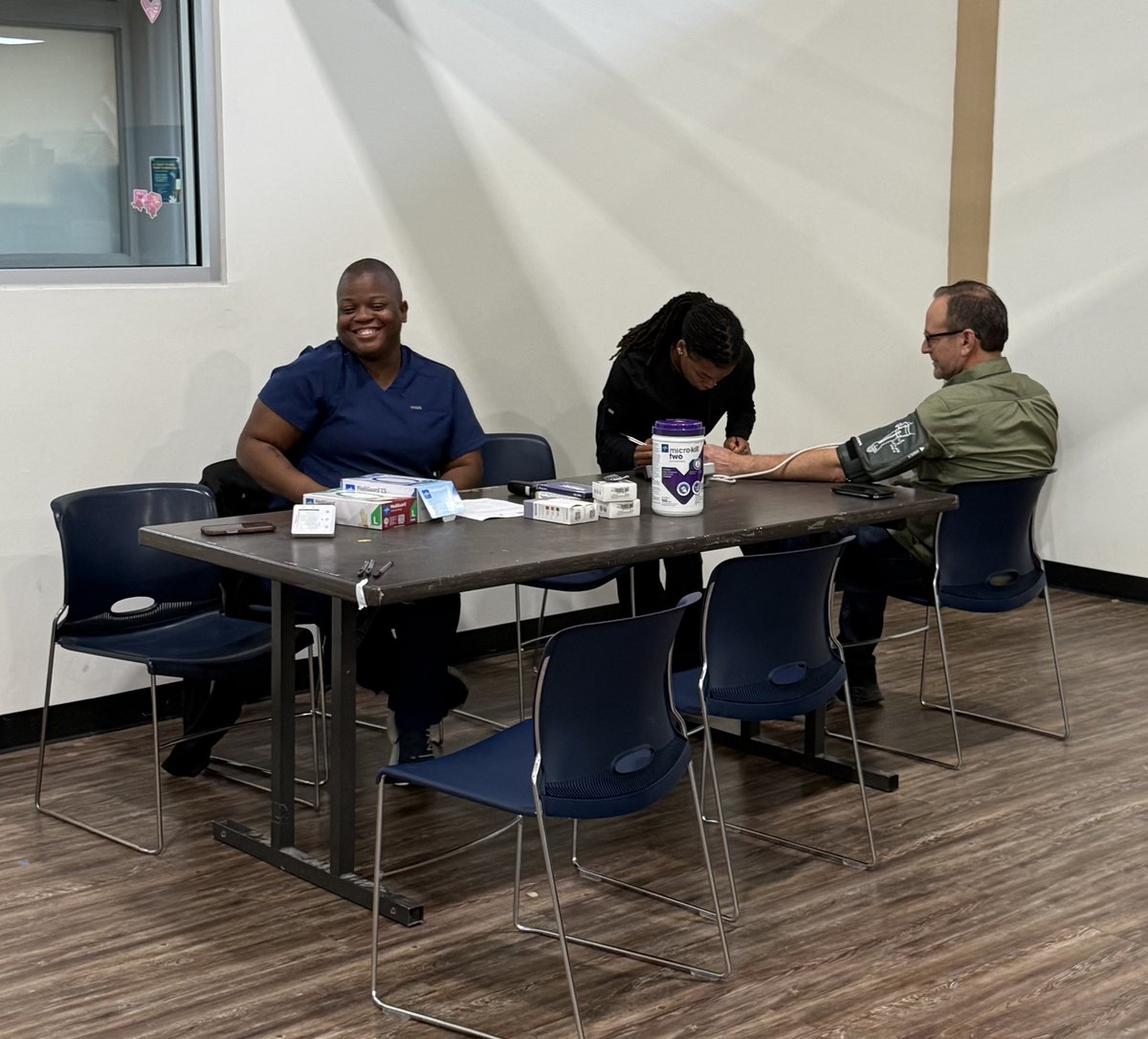
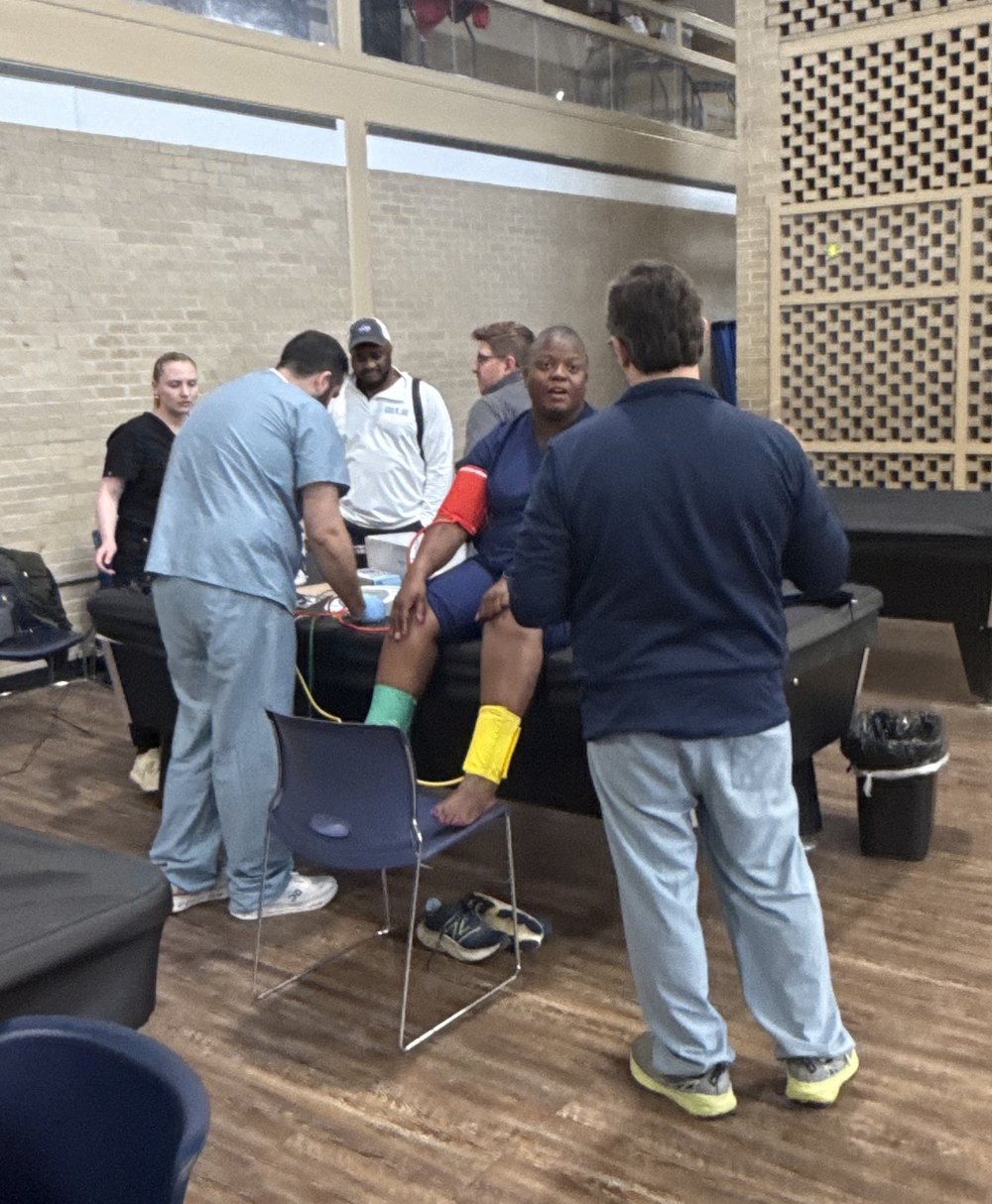
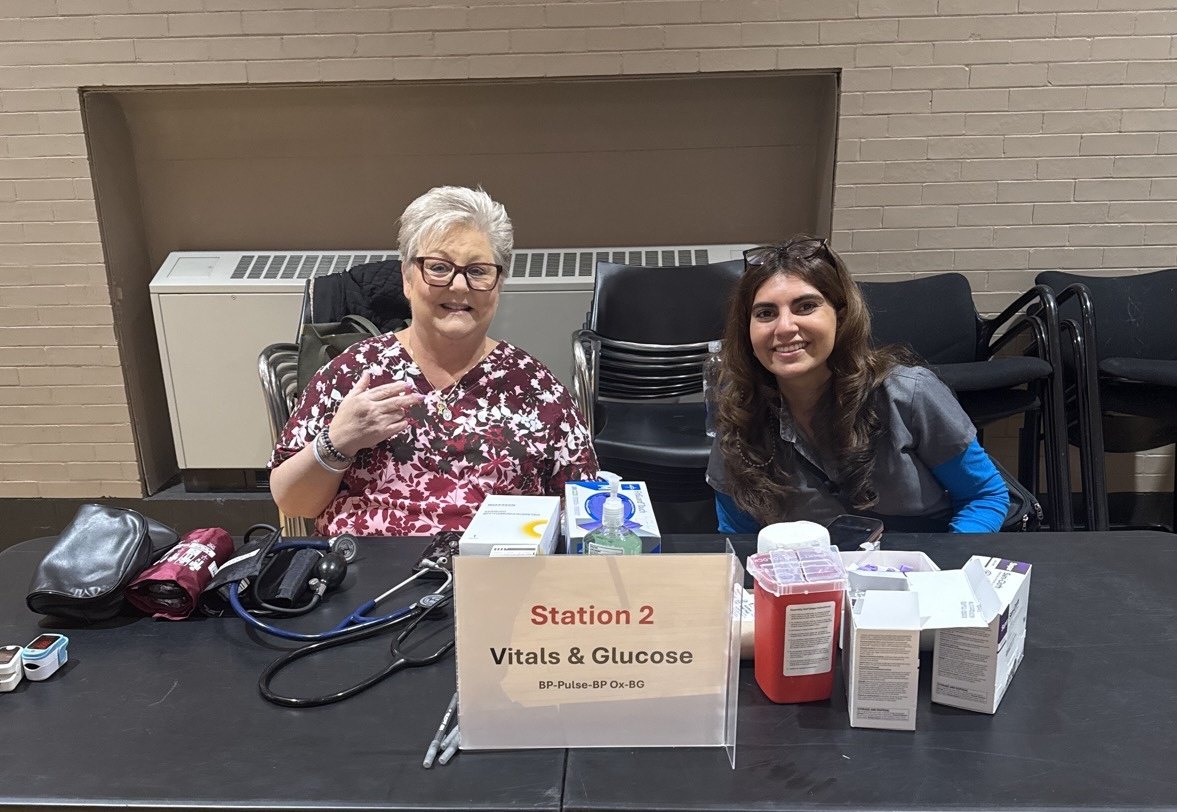
Your support does not fund hope, it funds screening, education, and access, the things that actually keep limbs attached.
1. Source: International Diabetes Federation and International Working Group on the Diabetic Foot, Diabetes and Foot Care: Time to Act, 2005.
Screenings, webinars, and campaigns, as they happen.
Every gift funds the screenings, patient resources, and provider education that catch what an amputation would have cost someone their leg.